Decorating a home or workspace is more than arranging furniture or selecting colors. Decor tips involve thoughtful design strategies that balance aesthetics, functionality, and personal expression. The way a space is decorated influences mood, productivity, social interactions, and overall well-being. Effective decor combines principles from art, psychology, architecture, and interior design to create spaces that feel cohesive, inviting, and purposeful.
Understanding the Principles of Effective Decor
Before diving into specific decor tips, it is essential to understand the foundational principles that guide professional interior design. These principles ensure that decor choices are intentional, harmonized, and functional.
Balance and Symmetry
Balance involves distributing visual weight evenly across a space. This can be achieved through:
- Symmetrical Balance: Using matching furniture or decor elements on either side of a focal point.
- Asymmetrical Balance: Creating harmony with objects of different sizes, shapes, or colors while maintaining visual equilibrium.
- Radial Balance: Arranging elements around a central point, common in circular furniture layouts or ceiling designs.
Proper balance enhances comfort and visual appeal, making a room feel stable and inviting.
Proportion and Scale
Decor choices should align with the size of the room and the dimensions of furniture or accessories:
- Oversized furniture can overwhelm small spaces, making them feel cramped.
- Too-small decor in a large room can feel sparse and disconnected.
- Proper scale ensures a cohesive look, where elements complement rather than compete with each other.
Color Harmony
Color sets the tone for any space. Understanding color theory is vital:
- Analogous Colors: Colors next to each other on the color wheel, creating calm and cohesive environments.
- Complementary Colors: Opposites on the color wheel, offering contrast and energy.
- Monochromatic Palettes: Variations of a single color for a sophisticated, unified aesthetic.
Beyond aesthetics, colors affect emotions. For example, warm tones like reds and oranges evoke energy, while cool blues and greens promote calmness.
Texture and Layering
Texture adds depth and interest to decor:
- Soft Textures: Plush rugs, cushions, and throws create comfort.
- Hard Textures: Wood, metal, and stone surfaces add structure and visual contrast.
- Layering Textures: Combining materials such as linen curtains, leather furniture, and metal accents enriches the sensory experience.
Layering textures ensures the room is visually dynamic and inviting, even when the color palette is neutral.
Essential Decor Tips for Every Space
Effective decor relies on intentional choices that suit both lifestyle and environment. Below are in-depth decor tips for transforming a space.
Maximize Natural Light
Natural light is one of the most impactful design elements:
- Use sheer curtains or blinds to allow sunlight while maintaining privacy.
- Place mirrors opposite windows to reflect light and make rooms appear larger.
- Opt for light-colored walls to amplify brightness.
Natural light enhances mood, reduces energy costs, and highlights other decor elements effectively.
Choose a Cohesive Color Scheme
A unified color scheme ties a room together:
- Select a primary color for walls and large furniture pieces.
- Use secondary colors for accent furniture, textiles, and artwork.
- Incorporate a third, accent color for small decor items like vases, cushions, or lamps.
This strategy ensures visual harmony without monotony.
Invest in Quality Furniture
Quality furniture enhances both comfort and style:
- Prioritize durable materials like solid wood, metal frames, and high-density foam cushions.
- Choose multipurpose pieces for small spaces, such as sofa beds or storage ottomans.
- Maintain consistency in furniture style to avoid a cluttered look.
Functional and aesthetically pleasing furniture forms the backbone of any well-decorated room.
Layer Lighting for Atmosphere
Proper lighting transforms a space:
- Ambient Lighting: General lighting such as ceiling fixtures or recessed lights.
- Task Lighting: Focused lighting for reading, cooking, or working.
- Accent Lighting: Highlights art, architectural features, or decor objects.
Layering different light sources allows flexibility, enhances mood, and adds depth to interiors.
Incorporate Statement Pieces
Statement pieces create focal points:
- A bold piece of artwork, a unique chair, or a designer lamp can anchor a room.
- Statement rugs or wallpaper patterns bring personality without overwhelming the space.
- Ensure other decor elements complement rather than compete with the statement piece.
Focal points draw attention and give rooms a sense of identity.
Personalize with Art and Accessories
Decor is a reflection of personality:
- Curate artwork that resonates with personal tastes or cultural interests.
- Add accessories like vases, books, or sculptures to create visual layers.
- Display personal photos in stylish frames for warmth and familiarity.
Personalization ensures that a space feels lived-in and authentic rather than sterile or generic.
Embrace Minimalism for Clarity
Minimalist decor focuses on quality over quantity:
- Keep surfaces clear of unnecessary items to reduce visual clutter.
- Use hidden storage solutions for everyday objects.
- Choose decor with clean lines and simple forms.
Minimalism fosters relaxation and allows key design elements to stand out.
Integrate Natural Elements
Bringing the outdoors inside enhances well-being:
- Indoor plants improve air quality and add color and texture.
- Natural materials like stone, wood, and jute connect the interior with nature.
- Water features or terrariums can create calming focal points.
Biophilic design, or the integration of nature into decor, is linked to stress reduction and increased productivity.
Optimize Small Spaces
Small apartments or rooms require creative solutions:
- Use vertical storage like shelves and tall cabinets to maximize space.
- Select foldable or modular furniture to allow flexibility.
- Choose light colors and reflective surfaces to create the illusion of openness.
Smart small-space decor ensures functionality without sacrificing style.
Pay Attention to Flooring
Flooring impacts aesthetics, comfort, and acoustics:
- Hardwood or laminate floors are durable and versatile.
- Rugs can define spaces, add warmth, and introduce patterns or color.
- Consider sound-absorbing materials in multi-use or high-traffic areas.
Well-chosen flooring ties together all elements of a room’s design.
Experiment with Textiles
Textiles add softness, warmth, and style:
- Mix materials like cotton, wool, silk, and velvet for depth.
- Layer rugs to create visual interest in living areas.
- Use throws, pillows, and curtains to update color schemes seasonally.
Textiles allow for subtle or bold design updates without major renovations.
Focus on Storage Solutions
Clutter-free spaces feel larger and more inviting:
- Use multi-purpose furniture like beds with drawers or storage benches.
- Incorporate built-in shelves for a clean, seamless look.
- Organize items in aesthetically pleasing containers to maintain order.
Storage solutions enhance functionality while contributing to decor aesthetics.
Reflect Personality Through Themes
Cohesive themes provide visual structure:
- Modern Industrial: Exposed brick, metal fixtures, and raw textures.
- Scandinavian: Minimalist, light-colored, and functional.
- Bohemian: Layered textiles, vibrant colors, and eclectic decor.
- Traditional: Classic furniture, warm tones, and symmetrical layouts.
Themed decor ensures consistency while offering room for personal touches.
Real-Life Decor Implementation
Applying decor tips effectively requires understanding space, budget, and lifestyle:
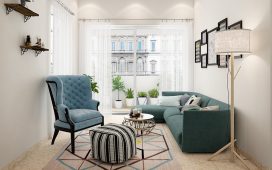
- Living Room: Use layered lighting, a statement rug, and curated art to create a welcoming environment.
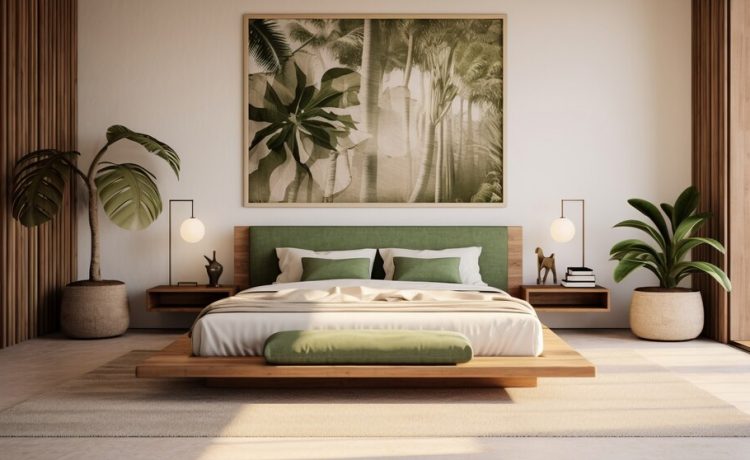
- Bedroom: Prioritize soft textiles, calming colors, and functional storage for rest and relaxation.
- Kitchen: Combine task lighting, sleek storage, and durable materials for both practicality and style.
- Home Office: Optimize lighting, ergonomic furniture, and organizational decor to enhance productivity.
Consistent attention to these details allows for interiors that are beautiful, functional, and reflective of personal style.
Decor Trends Influencing Modern Interiors
Modern interior design continues to evolve, influenced by technology, sustainability, and cultural trends:
- Eco-Friendly Materials: Bamboo, reclaimed wood, and low-VOC paints are increasingly popular.
- Smart Home Integration: Lighting, climate, and security systems enhance convenience and efficiency.
- Maximalist Decor: Layered textures, bold colors, and mixed patterns for expressive interiors.
- Neutral Tones with Accents: Soft palettes punctuated with statement pieces or bold art.
- Textural Diversity: Combining glass, metal, wood, and textiles to create dynamic sensory experiences.
Being aware of trends allows homeowners to create spaces that feel current yet timeless.
Decor Tips FAQs
Q1: How can I make a small room feel larger?
Use light-colored walls, reflective surfaces, vertical storage, and multi-functional furniture. Mirrors opposite windows amplify natural light and create a sense of depth.
Q2: What are the best decor tips for a budget-friendly makeover?
Focus on textiles, paint, and accessories. Changing pillows, rugs, and curtains or repainting walls can dramatically refresh a space without major renovations.
Q3: How do I choose a color scheme that won’t feel outdated?
Opt for neutral base colors with seasonal accent pieces. This allows flexibility and ensures longevity while incorporating trends gradually.
Q4: How can I incorporate personal style without cluttering the space?
Select a few statement items, curate art thoughtfully, and maintain hidden storage. Quality over quantity ensures personality shines without overwhelming the design.