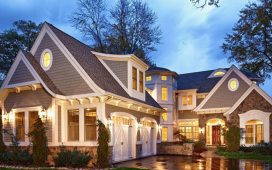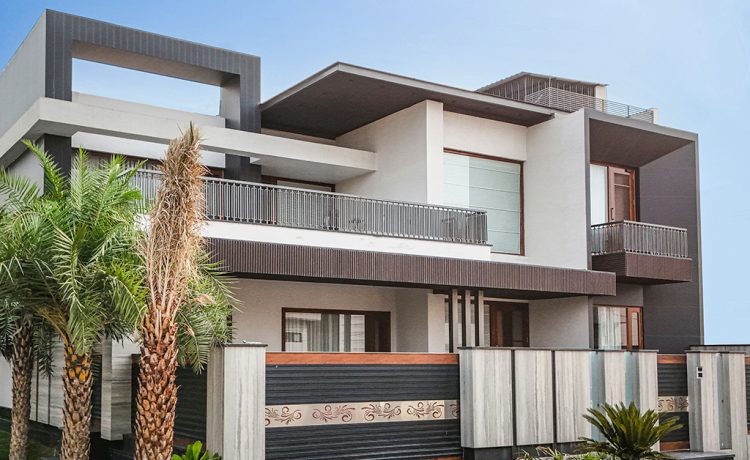
The exterior of a property is the first thing people notice. Whether it is a family home, apartment building, office, or commercial property, a well-maintained exterior can create a positive impression while improving comfort, safety, and functionality. Exterior design includes much more than paint and landscaping. It involves the entrance, walls, roof, windows, lighting, outdoor areas, pathways, and other features that shape the property’s appearance.
A successful exterior should balance style with practical needs. With thoughtful planning and regular maintenance, even simple improvements can make a property look more attractive and inviting.
Why Exterior Design Is Important
Exterior design affects how a property looks, feels, and performs. Attractive outdoor features can increase visual appeal, while durable materials and proper maintenance help protect the building from weather and everyday wear.
The exterior also connects the building with its surroundings. Landscaping, pathways, outdoor seating, and lighting can make the space more functional and enjoyable.
A well-planned exterior should consider the property’s architecture, local climate, available space, and the needs of the people who use it.
Choosing the Right Exterior Colors
Color is one of the simplest ways to refresh a property’s appearance. A suitable color combination can highlight architectural details and create a consistent visual style.
When selecting exterior colors, consider the roof, doors, windows, surrounding landscape, and neighboring buildings. Neutral shades can provide a timeless appearance, while carefully selected accent colors can add character.
Avoid using too many competing colors. A simple combination of a primary shade, supporting tone, and accent color can create a balanced result.
Selecting Durable Exterior Materials
Exterior surfaces are exposed to sunlight, rain, wind, dust, and changing temperatures. For this reason, materials should be selected for both appearance and durability.
Common choices include brick, stone, concrete, wood, metal, stucco, and composite materials. Each option has different maintenance requirements and levels of resistance to moisture, heat, stains, and general wear.
Before choosing a material, consider how well it will perform in the local environment. A durable material that requires reasonable maintenance can provide better long-term value than an option chosen only for its appearance.
Creating an Attractive Entrance
The entrance is often the focal point of a property’s exterior. A clean and welcoming entrance can make the entire building appear more attractive.
Simple improvements can include:
- Repainting or replacing the front door
- Adding suitable outdoor lighting
- Installing attractive house numbers
- Improving the entrance pathway
- Adding suitable plants or planters
- Keeping the doorway clean and uncluttered
The entrance should also be practical. It should provide safe access during both daytime and nighttime and remain easy to maintain.
Improving Exterior Landscaping
Landscaping can transform an ordinary exterior into a more attractive outdoor environment. Trees, shrubs, flowers, grass, pathways, and decorative features can add color and texture.
Choose plants that suit the local climate and the amount of sunlight available. Low-maintenance plants can be a practical choice for busy homeowners.
Avoid allowing plants to become overgrown. Trees and shrubs should be trimmed regularly so they do not block windows, pathways, entrances, or drainage systems.
A balanced landscape should complement the building rather than hide its important architectural features.
Using Exterior Lighting
Outdoor lighting improves both appearance and safety. Properly positioned lights can highlight entrances, pathways, landscaping, architectural details, and outdoor living areas.
Different types of exterior lighting can serve different purposes. Pathway lights can improve visibility, while entrance lights can make doors easier to locate. Security lighting can provide additional protection around garages, gates, and less visible areas.
Lighting should be bright enough to serve its purpose without creating excessive glare or making the property feel uncomfortable at night.
Designing Useful Outdoor Areas
An exterior should not only look attractive; it should also provide usable space. Depending on the property, outdoor areas can be designed for relaxation, dining, gardening, entertaining, or recreation.
A small patio with comfortable seating can create an inviting place to relax. Larger properties may have space for outdoor dining areas, gardens, play areas, or shaded seating.
Furniture and outdoor features should be selected according to local weather conditions. Durable materials can reduce maintenance and help outdoor items remain attractive for longer.
Maintaining Exterior Features
Regular maintenance is essential for protecting the appearance and condition of a property. Dirt, peeling paint, damaged surfaces, blocked gutters, broken lights, and overgrown plants can quickly reduce curb appeal.
Create a routine for checking important exterior features. Clean walls and windows when necessary, inspect drainage systems, maintain landscaping, and repair visible damage promptly.
Small problems are often easier and less expensive to address before they become major repairs.
Balancing Style and Function
Exterior improvements should always combine visual appeal with practical performance. Decorative features should not interfere with drainage, ventilation, security, accessibility, or maintenance.
Think about how the property is used throughout the year. Weather conditions, outdoor activities, privacy requirements, and maintenance time should all influence design choices.
A beautiful exterior is most successful when it makes everyday life easier rather than creating additional work.
Conclusion
Exterior design plays an important role in creating a property that is attractive, comfortable, safe, and practical. From choosing durable materials and suitable colors to improving landscaping, lighting, entrances, and outdoor areas, thoughtful changes can make a noticeable difference.
The best exterior does not have to be expensive or complicated. A clear design approach, appropriate materials, regular maintenance, and attention to practical needs can create a welcoming property that remains attractive and functional for many years.