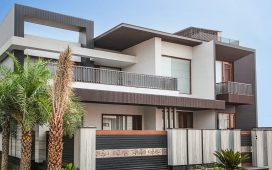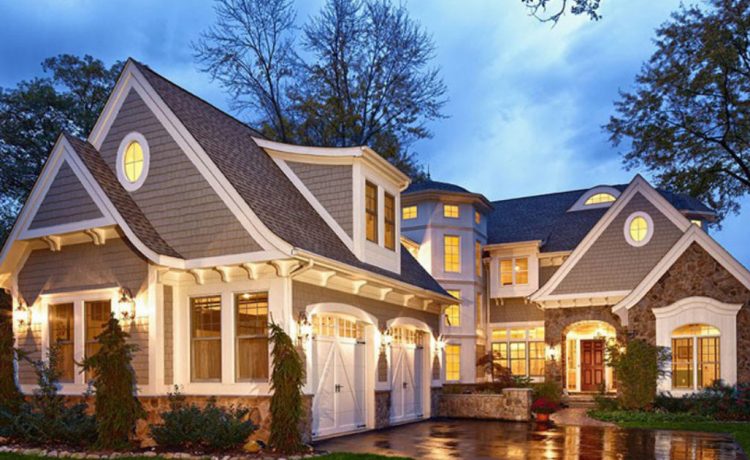
The exterior of a home or building is much more than its outer shell. It is the first impression for visitors, reflects the personality of the inhabitants, and serves functional purposes such as protection, energy efficiency, and durability. A thoughtfully designed exterior can significantly increase property value, enhance curb appeal, and improve the overall living experience. From landscaping and lighting to siding and architectural accents, understanding the principles of exterior design is essential for homeowners, architects, and property managers alike.
Understanding the Principles of Effective Exterior Design
Exterior design combines aesthetics, architecture, and practical considerations to create visually appealing and functional outdoor spaces. Professionals often adhere to several core principles to achieve cohesion and impact.
Balance and Proportion
Visual balance in exterior design ensures that all elements work harmoniously:
- Symmetrical Balance: Equal visual weight on both sides of a central axis, common in traditional homes.
- Asymmetrical Balance: Different elements arranged to achieve a dynamic yet cohesive look, typical in contemporary architecture.
- Proportion: The scale of features, such as windows, doors, and rooflines, should relate to the size of the building and landscape elements.
Proper balance and proportion prevent the exterior from appearing chaotic or disproportionate, enhancing overall appeal.
Harmony with Surroundings
The exterior should complement its environment:
- Consider the natural landscape, climate, and neighboring properties.
- Materials, colors, and textures should blend with or thoughtfully contrast the surroundings.
- Landscaping should enhance, not overwhelm, the building’s architecture.
Harmonious exteriors feel integrated into their settings rather than imposing or out of place.
Material Selection and Durability
The choice of materials influences aesthetics, maintenance, and longevity:
- Siding and Facade Materials: Options include brick, stone, stucco, wood, fiber-cement, and metal, each with unique textures and visual effects.
- Roofing: Asphalt shingles, metal, clay tiles, and slate each provide different durability and aesthetic qualities.
- Sustainable Materials: Recycled or renewable options reduce environmental impact and often offer superior longevity.
High-quality materials ensure the exterior remains visually appealing and functional over time.
Color and Texture
Color and texture define character and visual impact:
- Neutral palettes create timeless elegance.
- Bold colors can emphasize architectural features or create visual interest.
- Textures, such as rough stone or smooth stucco, enhance depth and richness.
Strategically combining colors and textures ensures the exterior feels both cohesive and engaging.
Functional Considerations
Exterior design is not purely visual; it must also serve practical needs:
- Protection from weather elements like rain, wind, and sun.
- Energy efficiency through insulation, reflective surfaces, or shade structures.
- Accessibility with pathways, ramps, and entry points.
- Privacy and security through fencing, landscaping, or architectural features.
Functional elements seamlessly integrated with aesthetics create exteriors that are both beautiful and practical.
Key Exterior Design Components
A well-designed exterior incorporates multiple components that work together to enhance appearance and usability.
Siding and Facade
The facade is the visual face of the building and communicates style:
- Brick and Stone: Timeless, durable, and low-maintenance materials that offer classic elegance.
- Wood Siding: Provides warmth and character but requires regular maintenance.
- Stucco: Smooth or textured finish ideal for modern or Mediterranean-inspired designs.
- Fiber-Cement: Combines durability with versatility in color and style.
Choosing the right facade material balances aesthetics, budget, and long-term maintenance needs.
Roofing and Architectural Features
Roofing affects both style and functionality:
- Gable Roofs: Provide effective water drainage and traditional appeal.
- Hip Roofs: Offer stability in high-wind areas and create a balanced aesthetic.
- Flat Roofs: Common in modern architecture, allowing rooftop gardens or terraces.
- Dormers and Eaves: Add visual interest, shade, and ventilation.
Well-chosen roofing complements the overall exterior design while addressing environmental factors.
Windows and Doors
Windows and doors shape perception and functionality:
- Proportion and Placement: Align windows with interior layouts to optimize natural light and aesthetics.
- Materials: Wood, aluminum, and composite frames affect durability and insulation.
- Design Styles: Large picture windows create openness, while bay windows add dimension.
- Doors: Entry doors can serve as focal points through color, texture, and detailing.
Strategically selecting windows and doors enhances both curb appeal and interior comfort.
Landscaping and Outdoor Spaces
Landscaping defines the connection between architecture and nature:
- Hardscaping: Pathways, patios, retaining walls, and driveways create structure and functionality.
- Softscaping: Trees, shrubs, and flowering plants add color, texture, and seasonal interest.
- Sustainable Practices: Native plants, xeriscaping, and rain gardens reduce water use and maintenance.
- Outdoor Amenities: Decks, pergolas, and seating areas extend living spaces and improve usability.
Integrated landscaping transforms exteriors into welcoming, functional environments.
Lighting Design
Exterior lighting enhances safety, security, and aesthetics:
- Ambient Lighting: General illumination for pathways, driveways, and porches.
- Accent Lighting: Highlights architectural details, plants, or art features.
- Security Lighting: Motion-activated or strategically placed fixtures deter intruders.
- Energy-Efficient Options: LED or solar-powered lighting reduces costs and environmental impact.
Thoughtful lighting creates ambiance while ensuring functionality and security.
Fencing and Privacy Solutions
Fencing serves practical and aesthetic purposes:
- Privacy Fencing: Shields property from public view and creates intimate outdoor areas.
- Decorative Fencing: Adds style and architectural interest.
- Material Options: Wood, metal, composite, or stone, each offering distinct advantages.
- Gates and Entrances: Functional and visually appealing gates complete the exterior design.
Fencing enhances both safety and the overall aesthetic character of the property.
Driveways and Walkways
Driveways and walkways impact accessibility and curb appeal:
- Materials: Concrete, asphalt, gravel, pavers, and stamped designs create varying effects.
- Patterns and Colors: Can emphasize the architectural style of the home.
- Functional Design: Ensure safe, accessible paths for vehicles and pedestrians.
Well-planned hardscaping complements the building while guiding movement through the property.
Seasonal and Climate Considerations
Effective exteriors respond to the environment:
- Climate-Appropriate Plants: Choose vegetation suited to local temperature and precipitation patterns.
- Weather-Resistant Materials: Prevent damage from sun, rain, snow, or wind.
- Outdoor Living Enhancements: Shaded areas, pergolas, or covered patios extend usability.
Designing with climate in mind ensures the exterior remains functional and attractive year-round.
Modern Exterior Design Trends
Exterior design evolves with lifestyle and technology:
- Sustainable Design: Solar panels, green roofs, and rainwater collection systems are increasingly popular.
- Minimalist Architecture: Clean lines, neutral colors, and simple forms dominate modern exteriors.
- Mixed Materials: Combining wood, metal, stone, and glass adds depth and texture.
- Outdoor Entertainment Spaces: Outdoor kitchens, fire pits, and seating areas extend living spaces.
- Smart Exterior Technology: Automated lighting, irrigation, and security systems enhance convenience.
Being aware of trends allows homeowners to make informed choices while maintaining timeless appeal.
Maintenance Tips for Long-Lasting Exteriors
Preserving exterior beauty requires regular care:
- Inspect roofing, siding, and gutters at least twice a year.
- Clean and repaint surfaces as needed to prevent deterioration.
- Maintain landscaping through trimming, mulching, and seasonal planting.
- Regularly inspect and repair fences, walkways, and driveways to prevent hazards.
- Power wash hardscapes and siding to remove dirt, moss, or mildew.
Proactive maintenance ensures the exterior remains functional, safe, and visually appealing for years.
Real-Life Applications of Exterior Design
Implementing exterior design effectively involves combining aesthetics, functionality, and lifestyle:
- Residential Homes: Enhance curb appeal through landscaping, lighting, and facade detailing.
- Commercial Buildings: Use materials and lighting to create professional, welcoming exteriors.
- Urban Apartments: Optimize small outdoor areas with patios, planters, and communal spaces.
- Luxury Properties: Incorporate pools, terraces, and high-end materials for statement-making exteriors.
Thoughtful execution of exterior design elevates both property value and the experience of those who inhabit the space.
Exterior Design FAQs
Q1: What is the most cost-effective way to improve exterior appearance?
Focus on landscaping, fresh paint, and lighting updates. Replacing outdated fixtures, adding planters, or enhancing the entryway can significantly boost curb appeal without a large investment.
Q2: How do I choose exterior materials for durability?
Consider local climate, maintenance requirements, and longevity. Materials like brick, stone, fiber-cement, and metal often provide a balance of durability and visual appeal.
Q3: How can exterior lighting enhance security?
Well-placed lighting along pathways, entrances, and property boundaries deters intruders and reduces accidents. Motion-sensor lights increase efficiency and safety.
Q4: What are eco-friendly exterior options?
Sustainable choices include solar panels, rainwater collection, native landscaping, recycled materials, and energy-efficient lighting solutions.