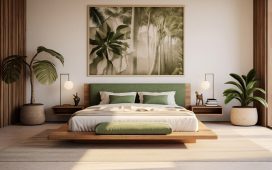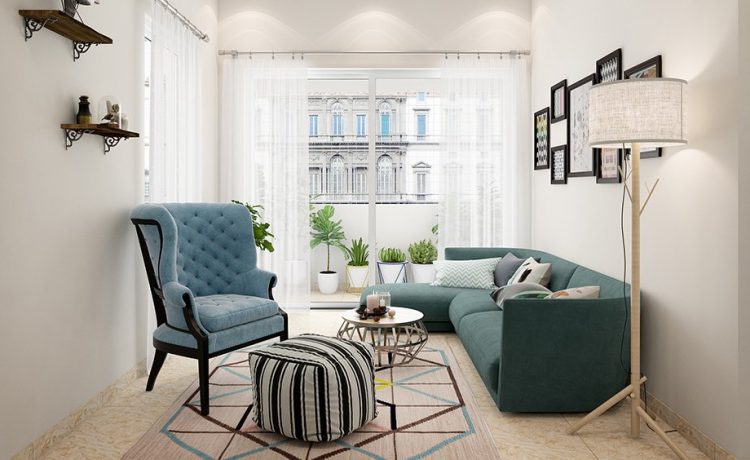
Decorating a home is an opportunity to express your personality while creating a space that feels comfortable and welcoming. Good interior decor does not require expensive furniture or major renovations. With thoughtful choices, simple adjustments can make a room look more organized, balanced, and attractive.
Whether you are refreshing a single room or updating your entire home, practical decor tips can help you make better decisions about colors, furniture, lighting, accessories, and space.
Start With a Clear Style
Before buying anything, decide what kind of atmosphere you want to create. A clear design direction makes it easier to choose furniture and decorative elements that work together.
Popular styles include modern, minimalist, traditional, rustic, contemporary, and eclectic designs. You do not have to follow one style strictly. Combining elements from different styles can create a personal look as long as the colors, materials, and proportions remain balanced.
Create a simple visual idea of the room before making purchases. Consider the existing flooring, walls, furniture, and natural light so that new pieces complement what is already there.
Choose Colors Carefully
Color has a major influence on the appearance and mood of a room. Light shades can make smaller spaces feel brighter and more open, while deeper colors can create warmth and character.
A simple approach is to select one main color, one supporting shade, and one accent color. This creates consistency without making the room feel overly matched.
Neutral colors such as white, beige, gray, and soft earth tones can provide a flexible foundation. Accent colors can then be introduced through cushions, artwork, rugs, curtains, or decorative objects.
Improve the Lighting
Lighting is one of the most effective decor elements because it can completely change how a room feels. Whenever possible, make good use of natural light by keeping windows clear and using curtains that allow sunlight to enter.
Combine different types of lighting for a more comfortable environment. Consider:
- Ceiling or general lighting for overall brightness
- Floor or table lamps for focused illumination
- Wall lights for additional atmosphere
- Decorative lighting for visual interest
Warm lighting can create a relaxed feeling in living rooms and bedrooms, while brighter lighting may be more practical for kitchens and work areas.
Arrange Furniture for Comfort
Furniture should support the way you use a room rather than simply filling available space. Avoid placing too many large pieces together, especially in smaller rooms.
Leave enough space for people to walk comfortably between furniture. In living rooms, arrange seating so conversation feels natural. In bedrooms, make sure there is sufficient room around the bed and access to storage.
A well-planned furniture arrangement can make even a modest room feel more spacious.
Add Texture and Layers
A room can look flat when everything has the same texture. Introducing different materials adds depth and visual interest.
Soft rugs, woven baskets, cushions, curtains, wooden furniture, ceramic accessories, and textured fabrics can create a richer appearance without requiring major changes.
Layering is particularly useful in bedrooms and living areas. A combination of different fabrics and surfaces can make these spaces feel warmer and more inviting.
Use Decorative Accessories Wisely
Accessories give a room personality, but too many objects can create visual clutter. Instead of filling every empty surface, choose a few meaningful pieces.
Artwork, mirrors, plants, vases, books, candles, and decorative objects can all contribute to the overall design. Group similar items together rather than spreading small decorations randomly throughout the room.
A large statement piece can sometimes have more impact than many small accessories.
Bring Nature Indoors
Plants are a simple way to add freshness and color to interior spaces. They can work well on shelves, tables, balconies, windowsills, or empty corners.
Choose plants according to the amount of natural light and care you can provide. If maintaining live plants is difficult, carefully selected artificial greenery can still add visual interest.
Natural materials such as wood, stone, bamboo, and woven fibers can also create a warm connection with nature.
Keep Organization Part of the Decor
A beautiful room should also be functional. Clutter can quickly reduce the impact of carefully chosen decorations.
Use attractive storage solutions such as baskets, cabinets, shelves, and storage boxes to keep everyday items organized. Open shelving can display decorative pieces while providing useful storage, but avoid overcrowding it.
Regularly removing items you no longer need can make your home feel cleaner and more spacious.
Decorate Within Your Budget
Great decor does not have to be expensive. Start with small changes that make a noticeable difference, such as rearranging furniture, changing cushion covers, adding artwork, or improving lighting.
Focus your spending on items that provide lasting value and frequent use. Mixing affordable accessories with a few quality pieces can create a polished appearance without overspending.
Conclusion
Effective home decor is about creating balance between style, comfort, and functionality. By choosing colors thoughtfully, improving lighting, arranging furniture carefully, adding texture, and controlling clutter, you can transform your space without making complicated changes.
The most successful decor reflects the people who live in the home. Choose pieces that feel meaningful, practical, and visually pleasing, and your surroundings will naturally become more comfortable and inviting.