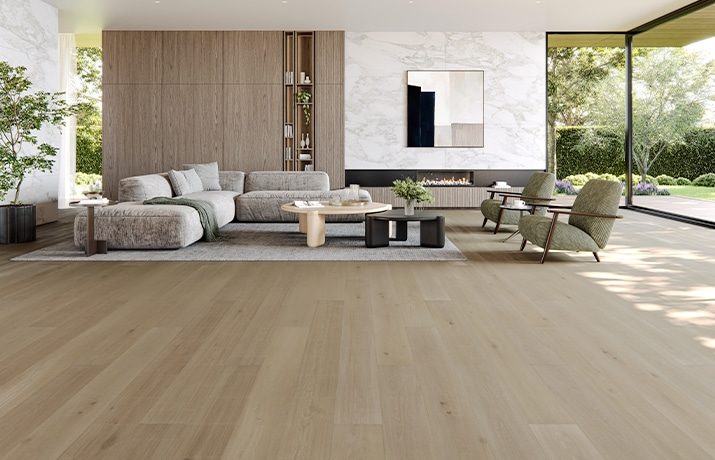
The flooring of a space plays a crucial role in defining its aesthetic appeal, functionality, and comfort. From residential homes to commercial establishments, choosing the right flooring affects not only the look and feel of a room but also its longevity and maintenance requirements. Flooring encompasses a wide range of materials, styles, and installation methods, each tailored to specific needs, budgets, and design visions. Understanding the nuances of flooring is essential for homeowners, interior designers, architects, and property managers looking to create spaces that are both beautiful and practical.
The Importance of Flooring in Interior and Exterior Spaces
Flooring does more than cover the ground. It serves as a foundation for the overall interior or exterior design, influencing both the visual and functional aspects of a space.
- Aesthetic Impact: Flooring sets the tone for a room, complementing furniture, wall colors, and decor.
- Functionality: Durable flooring supports daily activities, whether walking, cooking, or hosting gatherings.
- Comfort and Safety: Proper flooring enhances comfort underfoot and reduces the risk of slips or injuries.
- Property Value: High-quality flooring can significantly boost resale value, especially in kitchens, bathrooms, and living areas.
By considering both aesthetic and functional factors, flooring becomes an investment in the long-term usability and appeal of a property.
Types of Flooring Materials
Selecting the right flooring material requires balancing durability, style, cost, and maintenance needs. Different materials offer unique benefits depending on the intended space.
Hardwood Flooring
Hardwood is a timeless choice for its elegance and durability.
- Types of Wood: Oak, maple, cherry, walnut, and hickory are popular options. Each species varies in grain patterns, hardness, and color.
- Finish Options: Satin, matte, and glossy finishes alter the appearance and maintenance requirements.
- Durability: Hardwood can last decades with proper care, and scratches or dents can often be sanded and refinished.
- Aesthetic Appeal: Natural wood adds warmth, texture, and a premium feel to any space.
Hardwood flooring is ideal for living rooms, dining areas, and bedrooms where visual appeal and long-term value are priorities.
Laminate Flooring
Laminate flooring mimics the appearance of wood or stone at a more affordable price.
- Composition: Made of a high-density fiberboard core with a photographic layer and protective wear layer.
- Durability: Resistant to scratches, fading, and impact, making it suitable for high-traffic areas.
- Installation: Often designed as a floating floor system with click-lock planks, simplifying DIY installation.
- Maintenance: Easy to clean with regular sweeping and damp mopping.
Laminate is perfect for budget-conscious projects without sacrificing style or durability.
Tile Flooring
Tiles are versatile, durable, and moisture-resistant, making them suitable for kitchens, bathrooms, and outdoor areas.
- Material Options: Ceramic, porcelain, natural stone (marble, granite, travertine), and glass.
- Design Variety: Tiles come in countless colors, textures, and patterns, including mosaics and large-format options.
- Durability: Porcelain tiles are highly resistant to wear, while natural stone requires sealing to prevent staining.
- Maintenance: Regular cleaning and occasional sealing for stone tiles ensure longevity.
Tile flooring provides flexibility in design and is highly suitable for spaces exposed to moisture or heavy traffic.
Vinyl and Luxury Vinyl Flooring
Vinyl flooring has advanced significantly, offering aesthetic versatility with durability.
- Luxury Vinyl Planks (LVP) and Tiles (LVT): Mimic wood, stone, or concrete while remaining waterproof.
- Ease of Installation: Click-lock systems or glue-down methods enable fast installation.
- Durability: Resistant to scratches, dents, and moisture, making it ideal for kitchens, bathrooms, and basements.
- Maintenance: Low maintenance with simple sweeping and occasional mopping.
Vinyl flooring combines affordability with practicality, offering a modern solution for high-use areas.
Carpet Flooring
Carpets add comfort, warmth, and acoustic benefits to interior spaces.
- Material Options: Wool, nylon, polyester, and olefin provide varying softness, durability, and stain resistance.
- Pile Types: Cut pile, loop pile, and cut-and-loop offer different textures and appearances.
- Insulation and Comfort: Carpet enhances thermal and sound insulation, creating cozy interiors.
- Maintenance: Regular vacuuming and occasional professional cleaning extend lifespan.
Carpets are suitable for bedrooms, living rooms, and offices where comfort and noise reduction are priorities.
Concrete Flooring
Concrete is a modern and highly durable flooring choice for both residential and commercial spaces.
- Polished Concrete: Offers a sleek, reflective surface with high durability.
- Stained or Colored Concrete: Provides design flexibility while maintaining strength.
- Maintenance: Requires occasional sealing to prevent staining and surface wear.
- Sustainability: Concrete floors often serve as thermal mass, reducing heating and cooling costs.
Concrete is ideal for contemporary homes, industrial-style interiors, and high-traffic commercial areas.
Factors to Consider When Choosing Flooring
Selecting the right flooring involves evaluating several factors beyond aesthetics:
- Traffic Levels: High-traffic areas require more durable, scratch-resistant materials.
- Moisture Exposure: Kitchens, bathrooms, and basements need water-resistant options like tile, vinyl, or treated wood.
- Maintenance Requirements: Some materials demand more frequent cleaning and care.
- Comfort and Acoustics: Carpets or cork provide cushioning and noise reduction, while tile or hardwood may require rugs for comfort.
- Environmental Impact: Sustainable or recycled materials reduce environmental footprint.
- Budget Constraints: Flooring costs vary widely, so balancing style, durability, and affordability is essential.
By carefully considering these factors, property owners can select flooring that aligns with both design goals and practical needs.
Installation Techniques and Considerations
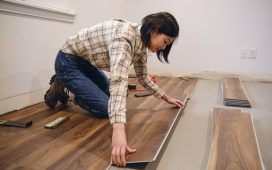
Proper installation is critical for the longevity and performance of flooring:
- Subfloor Preparation: Ensure surfaces are level, clean, and dry before installation.
- Professional vs. DIY: Some flooring types, like tile or hardwood, benefit from professional installation for durability and precision.
- Acclimation: Wood and laminate floors require time to adjust to indoor temperature and humidity.
- Sealing and Finishing: Certain materials, including stone and concrete, require sealing to protect against moisture and staining.
Attention to installation details maximizes lifespan, prevents damage, and enhances the finished appearance.
Maintenance and Care for Different Flooring Types
Routine care prolongs the life of flooring and maintains its aesthetic appeal:
- Hardwood: Sweep regularly, avoid excess water, and refinish periodically.
- Laminate: Clean with a damp mop and mild cleaner; avoid abrasive tools.
- Tile: Mop frequently, clean grout lines, and reseal stone tiles as needed.
- Vinyl: Sweep and mop; avoid sharp objects that can puncture the surface.
- Carpet: Vacuum consistently and address stains immediately.
- Concrete: Seal every few years and clean with neutral pH cleaners.
A proactive maintenance plan ensures that flooring continues to perform and look its best over time.
Emerging Trends in Flooring Design
Modern flooring design incorporates innovation, sustainability, and style trends:
- Eco-Friendly Materials: Bamboo, cork, and reclaimed wood promote sustainable living.
- Patterned Floors: Herringbone, chevron, and geometric patterns add visual interest.
- Mixed Materials: Combining wood, tile, or stone creates unique design statements.
- Waterproof and Scratch-Resistant Surfaces: Advances in vinyl and laminate offer durability without compromising style.
- Smart Flooring: Integrated heating systems and anti-slip coatings enhance functionality and comfort.
Staying current with trends allows homeowners to create innovative, modern spaces that are also practical.
Real-Life Applications of Flooring
- Residential Homes: Hardwood and luxury vinyl for living spaces; tile for kitchens and bathrooms; carpet for bedrooms.
- Commercial Spaces: Durable tile, polished concrete, and commercial-grade vinyl for offices, retail stores, and restaurants.
- Outdoor Areas: Porcelain or natural stone tiles, concrete, and treated wood for patios, decks, and walkways.
- High-Traffic Areas: Laminate, vinyl, and tile provide low-maintenance solutions for hallways, mudrooms, and entryways.
Tailoring flooring choices to the intended space ensures optimal performance and aesthetic harmony.
Flooring FAQs
Q1: What flooring type is best for high-moisture areas like bathrooms?
Porcelain or ceramic tile, luxury vinyl, and treated concrete are ideal due to their water resistance and durability.
Q2: How can I make flooring more eco-friendly?
Use sustainable materials such as bamboo, cork, reclaimed wood, or recycled vinyl. Low-VOC finishes also reduce environmental impact.
Q3: How long does hardwood flooring typically last?
With proper maintenance, hardwood flooring can last 30–50 years or more, and scratches or damage can often be refinished.
Q4: Can laminate flooring be installed over existing flooring?
Yes, laminate can often be installed as a floating floor over clean, level surfaces like tile or vinyl, but subfloor preparation is crucial.
Q5: What is the easiest flooring to maintain?
Vinyl and tile are among the easiest to maintain, requiring regular sweeping and occasional mopping without extensive upkeep.