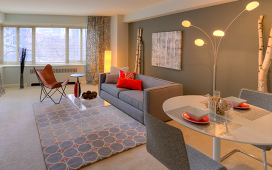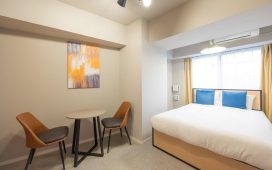
An apartment is more than just a place to sleep at night. It is where people relax after work, spend time with family, entertain friends, and create everyday memories. For this reason, choosing the right apartment requires careful thought about location, comfort, budget, facilities, and long-term needs.
Whether you are searching for your first rental home or planning to move into a better property, taking a practical approach can help you find a space that fits your lifestyle.
Define Your Priorities
Before beginning your apartment search, make a clear list of your essential requirements. Knowing what matters most can save time and prevent you from becoming distracted by unnecessary features.
Start by considering the number of bedrooms, preferred floor, available storage, parking requirements, and desired living space. Think about your daily routine as well. Someone who works from home may need a quiet room for an office, while a family may prioritize larger living areas and nearby schools.
Separate your requirements into essential features and desirable extras. This makes it easier to compare properties objectively.
Choose a Convenient Location
The location of an apartment can strongly influence your daily routine. A beautiful home may become inconvenient if it is far from work, school, public transportation, or essential services.
Consider the distance to:
- Workplaces and educational institutions
- Grocery stores and shopping areas
- Hospitals and healthcare centers
- Public transportation
- Parks and recreational spaces
- Restaurants and everyday services
Think about commuting time as well as distance. A slightly more expensive apartment in a convenient location may save significant time and transportation costs over the long term.
Check the Building and Surroundings
When viewing an apartment, do not focus only on the individual unit. Examine the entire building and its surroundings.
Look at the condition of common areas, stairways, elevators, parking spaces, entrances, and outdoor areas. Clean and well-maintained shared spaces can indicate responsible property management.
Noise is another important consideration. Listen for traffic, construction, nearby businesses, or loud activity from neighboring apartments. If possible, visit at different times of day to get a more realistic impression of the environment.
Examine the Interior Carefully
A property can appear attractive during a quick viewing, but careful inspection may reveal issues that are easy to overlook.
Check walls and ceilings for cracks, stains, or signs of moisture. Test faucets and showers to evaluate water pressure. Open windows and doors to make sure they function properly. Examine electrical outlets, lighting fixtures, cabinets, and appliances if they are included.
Ventilation and natural light are also important. A bright and well-ventilated apartment can feel more pleasant and may be easier to maintain.
Understand Apartment Costs
Budgeting for an apartment involves more than looking at the advertised price. Depending on the property, additional expenses may include maintenance charges, utilities, parking fees, deposits, insurance, and moving costs.
Before making a decision, calculate the likely monthly and upfront expenses. Avoid choosing a property that leaves too little room in your budget for emergencies or other essential expenses.
If you are renting, carefully review the rental agreement. Understand payment dates, deposit conditions, lease duration, maintenance responsibilities, renewal policies, and rules concerning guests, pets, or alterations.
Consider Amenities Carefully
Apartment communities often provide facilities such as fitness centers, swimming pools, gardens, children’s play areas, security systems, and community spaces.
These features can improve convenience and lifestyle, but they should not be the main reason for choosing a property. Consider how often you will actually use them and whether their cost is reasonable.
Essential facilities such as reliable elevators, adequate parking, water supply, security, and maintenance may be more valuable for everyday living than luxury features.
Think About Your Future Needs
An apartment should work for your lifestyle beyond the first few months. Consider whether your needs may change in the near future.
For example, you may need additional workspace, storage, or bedrooms as your circumstances change. Choosing a property with some flexibility can reduce the need for another move later.
Conclusion
Finding the right apartment takes time, but careful planning can make the process much easier. Focus on your priorities, choose a practical location, inspect the property thoroughly, understand the complete cost, and evaluate the building as a whole.
The ideal apartment does not have to be the biggest or most luxurious option. It should provide a comfortable, safe, convenient, and affordable environment that supports the way you live every day.