Finding the right apartment can make everyday life more comfortable, convenient, and enjoyable. Whether you are a student, working professional, couple, or family, your home should provide enough space, privacy, safety, and access to the places that matter most to you.
With many properties available in different locations and price ranges, choosing an apartment requires more than simply selecting a place that looks attractive. Understanding your needs and comparing important features can help you make a confident decision.
Understanding Your Apartment Needs
The first step is to identify what you actually need from your home. Think about your current lifestyle, daily routine, and future plans.
Consider questions such as:
- How many bedrooms do you need?
- Do you require a dedicated workspace?
- Is parking important?
- Do you prefer a furnished or unfurnished apartment?
- How close should the property be to work or school?
- Do you need access to shared facilities?
- Are pets allowed if you have one?
Making a list of priorities can make your search more focused. It can also help you avoid paying extra for features that you may rarely use.
Choosing the Right Location
Location is one of the most important factors when selecting an apartment. A property in a convenient neighborhood can save time and reduce transportation expenses.
Look for easy access to workplaces, schools, grocery stores, healthcare facilities, public transportation, and other essential services. Safety and neighborhood conditions should also be considered.
It is useful to visit a potential location more than once. Check the area during the morning, afternoon, and evening when possible. This can give you a better understanding of traffic, noise, parking, and overall activity.
Evaluating the Apartment Layout
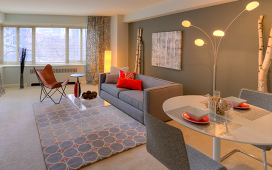
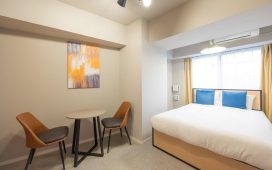
The size of an apartment does not always determine how spacious it feels. A well-designed layout can make a smaller property practical and comfortable.
During an inspection, consider how furniture will fit into each room. Check whether there is enough storage and whether rooms provide adequate privacy. Natural light and ventilation are also important because they can influence the atmosphere of the home.
Pay particular attention to kitchens and bathrooms. Inspect cabinets, faucets, sinks, flooring, ventilation systems, and other fixtures for signs of wear or damage.
Considering Building Amenities
Many modern apartment communities provide shared amenities designed to make residents’ lives easier. Depending on the property, these may include fitness areas, swimming pools, gardens, recreational spaces, elevators, security systems, or community rooms.
Amenities can add value, but they may also increase maintenance costs. Consider whether you will actually use them before allowing them to influence your decision.
Security features deserve special attention. Look for controlled access, adequate lighting, secure entrances, and reliable management practices.
Understanding the Total Cost
An affordable apartment should fit comfortably within your overall budget. The monthly rent or mortgage payment is only one part of housing expenses.
You may also need to consider:
- Maintenance or association fees
- Electricity and water
- Internet and other services
- Parking charges
- Security deposits
- Moving expenses
- Repairs or furnishing costs
Understanding these expenses in advance can help you avoid unpleasant financial surprises.
If you are renting, read the agreement carefully before signing. Pay attention to the lease duration, payment schedule, deposit conditions, maintenance responsibilities, renewal rules, and restrictions.
Inspect Before You Commit
Pictures can make almost any apartment look appealing, but an in-person inspection provides much more useful information.
Check the condition of walls, ceilings, floors, windows, doors, electrical outlets, plumbing fixtures, and appliances. Look for moisture, unusual odors, cracks, leaks, or signs of poor maintenance.
You should also ask the landlord, seller, or property manager about recurring problems and how maintenance requests are handled.
Creating a Comfortable Home
Once you choose an apartment, thoughtful organization can make the space feel more personal. Choose furniture that matches the available space and avoid overcrowding rooms.
Simple improvements such as good lighting, practical storage, comfortable furnishings, and suitable décor can make a significant difference. Keeping the apartment organized can also help smaller spaces feel more open.
Conclusion
Choosing an apartment is a decision that deserves careful consideration. The ideal property should balance location, comfort, condition, amenities, and affordability.
By identifying your priorities, inspecting properties carefully, understanding all costs, and reviewing agreements before signing, you can reduce potential problems and find a home that suits your lifestyle. A well-chosen apartment can provide the convenience, comfort, and stability needed for enjoyable everyday living.