When considering modern housing options, the term apartment often comes to mind as a practical and versatile choice for individuals, families, and investors alike. Apartments are more than just living spaces; they represent a lifestyle, an investment opportunity, and a reflection of urban development trends. In this article, we explore the intricacies of apartments, from their types and amenities to their financial implications, environmental impact, and the evolving trends shaping apartment living in the 21st century.
Understanding Apartments
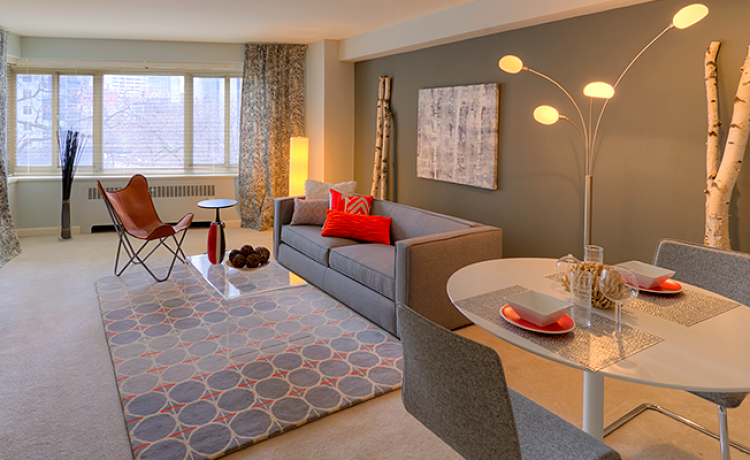
An apartment is a self-contained residential unit located within a larger building or complex. Typically, apartments share walls, floors, and ceilings with neighboring units but offer independent living spaces including bedrooms, bathrooms, kitchens, and living areas. Apartments can vary greatly in size, layout, and design, reflecting the needs and preferences of urban populations.
Unlike detached homes, apartments provide compact, efficient living options that make optimal use of limited urban space. This efficiency often comes with trade-offs, such as shared facilities and limited private outdoor space, but it offers benefits like reduced maintenance responsibilities and access to communal amenities.
Types of Apartments
Understanding the different types of apartments is essential for both renters and investors. Each type offers unique advantages and lifestyle implications.
Studio Apartments
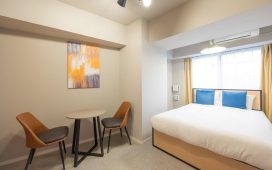
Studio apartments are single-room units that combine the living room, bedroom, and kitchen into one open space. They are ideal for:
- Young professionals seeking cost-effective housing in city centers
- Individuals prioritizing minimalist living and efficiency
- Temporary or transitional living arrangements
Although compact, studio apartments maximize functionality through clever design, such as foldable furniture, built-in storage, and open floor plans.
One-Bedroom Apartments
One-bedroom apartments feature a separate bedroom, living room, kitchen, and bathroom. These units strike a balance between affordability and privacy, making them suitable for:
- Singles or couples seeking independent space
- Individuals desiring work-from-home functionality
- Residents who value a dedicated sleeping area away from living spaces
These apartments often attract long-term renters and first-time homeowners.
Two-Bedroom and Larger Apartments
Two-bedroom and multi-bedroom apartments provide more space and flexibility. They are suitable for:
- Small families needing multiple bedrooms
- Individuals desiring a home office or guest room
- Investors targeting rental markets with higher occupancy potential
These apartments often include extra amenities like multiple bathrooms, larger kitchens, and expanded storage.
Luxury Apartments
Luxury apartments are high-end units featuring premium finishes, high ceilings, modern appliances, and exclusive amenities such as:
- Concierge services
- Private gyms or pools
- Rooftop terraces and panoramic city views
These apartments cater to affluent renters or buyers seeking comfort, convenience, and prestige.
Serviced Apartments
Serviced apartments are fully furnished units available for short-term or long-term stays, often including housekeeping, utilities, and maintenance. They are popular among:
- Business travelers seeking temporary accommodations
- Expatriates relocating for work
- Individuals preferring hotel-like services in a residential setting
Serviced apartments combine the convenience of hotels with the independence of traditional apartments.
Key Features of Modern Apartments
Apartments today are designed to meet the evolving needs of residents. Key features often include:
- Energy-efficient appliances to reduce utility costs and environmental impact
- High-speed internet connectivity for remote work and digital lifestyles
- In-unit laundry facilities to enhance convenience
- Security systems such as keycard access, surveillance cameras, and on-site security personnel
- Shared amenities like gyms, swimming pools, co-working spaces, and lounges
- Eco-friendly materials and sustainable construction practices
These features not only improve quality of life but also increase property value and appeal to environmentally conscious tenants.
Advantages of Apartment Living
Choosing an apartment over other housing options comes with several advantages:
Affordability
- Apartments are generally more affordable than detached homes in urban areas due to shared land and reduced maintenance costs.
- They often include utilities and amenities in the rent, reducing monthly expenditures.
Accessibility and Convenience
- Apartments are usually located in city centers or near public transport, making commuting easier.
- Proximity to essential services such as grocery stores, hospitals, and schools enhances daily convenience.
Security
- Most apartment complexes have gated entrances, security personnel, and surveillance systems, providing a safer environment.
- Shared living arrangements also create a sense of community vigilance.
Maintenance and Management
- Apartments often have professional management teams responsible for repairs, landscaping, and building upkeep.
- Residents are relieved of many responsibilities associated with single-family homes.
Social Interaction
- Communal spaces, shared amenities, and organized events foster social engagement and networking opportunities.
- Residents often form close-knit communities, which can improve overall well-being.
Challenges of Apartment Living
While apartments offer numerous benefits, there are potential drawbacks:
- Limited Privacy: Shared walls and communal spaces can reduce privacy compared to detached homes.
- Space Constraints: Apartments generally provide less square footage and outdoor space.
- Noise Levels: Proximity to neighbors may result in higher noise levels.
- Restrictions: Apartment communities often have rules regarding pets, renovations, or rental terms.
Understanding these challenges helps prospective renters and buyers make informed decisions.
Apartment Investment Considerations
Apartments can serve as both residential spaces and investment assets. Investors must consider several factors:
Location
- Urban apartments near business districts, universities, or transportation hubs tend to retain high demand.
- Proximity to entertainment, shopping, and healthcare increases long-term value.
Rental Yield
- Rental yield measures annual rental income relative to the purchase price.
- Investors should evaluate potential occupancy rates, rental prices, and maintenance costs.
Property Management
- Professional property management ensures efficient operations, tenant satisfaction, and timely maintenance.
- Investors must weigh management fees against potential returns.
Market Trends
- Monitoring housing demand, population growth, and urban development plans helps predict future property appreciation.
- Apartments in emerging neighborhoods often offer higher capital gains potential.
Environmental Impact of Apartments
Apartments can have a positive environmental footprint compared to single-family homes:
- Reduced land usage helps preserve green spaces.
- Shared resources, such as central heating and water systems, lower energy consumption.
- High-density living reduces reliance on private vehicles, decreasing carbon emissions.
Sustainable apartment developments increasingly incorporate solar panels, green roofs, rainwater harvesting systems, and energy-efficient designs, aligning with global environmental goals.
Future Trends in Apartment Living
The apartment sector continues to evolve with societal, technological, and environmental shifts. Key trends include:
Smart Apartments
- Integration of IoT devices, smart lighting, automated climate control, and security systems enhances convenience and efficiency.
- Smart apartments appeal to tech-savvy residents and increase property value.
Co-Living Spaces
- Co-living combines private bedrooms with shared kitchens and communal areas.
- This model targets young professionals seeking affordable urban living and social networking opportunities.
Sustainable Developments
- Green building certifications, renewable energy integration, and eco-friendly materials define the next generation of apartments.
- Environmentally conscious designs attract tenants and reduce long-term operational costs.
Flexible Leasing Options
- Short-term rentals, month-to-month leases, and furnished units cater to mobile professionals and digital nomads.
- Flexibility in lease agreements is becoming a competitive advantage for property managers.
Practical Tips for Apartment Renters
To maximize the apartment living experience, consider these tips:
- Inspect the unit carefully for structural issues, plumbing, and electrical systems.
- Review lease terms thoroughly, including maintenance responsibilities and community rules.
- Negotiate rent when possible, especially for long-term leases or immediate move-ins.
- Utilize space efficiently with multifunctional furniture and storage solutions.
- Engage with neighbors to foster a positive community environment.
Apartment FAQs
Q1: How do I choose the right apartment size for my needs?
Consider your lifestyle, number of occupants, and storage requirements. Single individuals may prefer studios or one-bedroom units, while families may require two or more bedrooms with ample living space.
Q2: Are furnished apartments more expensive than unfurnished ones?
Yes, furnished apartments often have higher rent due to the inclusion of furniture, appliances, and utilities. However, they provide convenience and reduce upfront costs for tenants.
Q3: What are the typical maintenance responsibilities for apartment residents?
Maintenance responsibilities vary by lease. Generally, residents handle minor upkeep such as cleaning, while management handles structural repairs, landscaping, and communal facilities.
Q4: How can I reduce noise in an apartment?
Use area rugs, soundproof curtains, and furniture placement to absorb sound. Choosing apartments on higher floors or away from busy streets can also minimize noise disturbance.
Q5: Are apartments a good long-term investment?
Yes, especially in urban centers with high rental demand. Apartments provide consistent rental income and potential appreciation, but investors should analyze location, market trends, and management costs carefully.
Q6: What amenities should I prioritize when renting an apartment?
Prioritize amenities based on lifestyle needs, such as in-unit laundry, gym access, secure parking, high-speed internet, and communal social spaces.