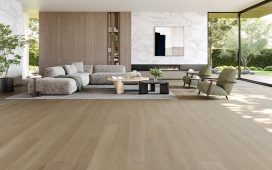
Flooring is one of the most important elements of interior design because it affects the appearance, comfort, durability, and functionality of a home. Since floors experience daily foot traffic, furniture movement, spills, and general wear, choosing the right material requires careful consideration.
The best flooring is not necessarily the most expensive or fashionable option. It should suit the room, fit the household’s lifestyle, remain within budget, and provide reliable performance over time. With many materials and designs available, understanding the key factors can make the selection process easier.
Consider the Purpose of Each Room
Different rooms have different flooring requirements. A kitchen needs a surface that can handle spills and frequent cleaning, while a bedroom may benefit from something softer and warmer.
For bathrooms and other moisture-prone areas, water resistance should be a major priority. Living rooms usually offer more flexibility because they can accommodate several flooring styles.
Before selecting a material, consider how the room is used, how much traffic it receives, and what type of maintenance is practical for your household.
Popular Flooring Materials
There are many flooring options available, each with distinct advantages. Common choices include hardwood, laminate, vinyl, tile, carpet, natural stone, and engineered wood.
Hardwood offers a classic appearance and can provide long-term value when properly maintained. Laminate can create the look of wood while offering a practical alternative for many households.
Vinyl is often chosen for its versatility and easy maintenance. Tile is durable and suitable for areas where moisture is a concern. Carpet provides softness and warmth, making it popular for bedrooms and comfortable living spaces.
Engineered wood combines a natural wood surface with a layered construction, offering an alternative to traditional solid wood in certain applications.
Think About Durability
Flooring is a long-term investment, so durability should be an important part of your decision. Consider how much activity the room receives and whether children, pets, or heavy furniture will affect the surface.
Important characteristics to compare include:
- Resistance to scratches
- Moisture resistance
- Stain resistance
- Ability to handle heavy traffic
- Resistance to fading
- Ease of repair
- Expected lifespan
A material that is suitable for a quiet bedroom may not be the best choice for a busy entrance or kitchen.
Choose a Suitable Style
Flooring has a strong influence on the visual character of a room. Light flooring can make a smaller space appear brighter and more open, while darker shades can create a warmer and more dramatic atmosphere.
Patterns and textures can also affect the overall appearance. Wood-look surfaces can add natural warmth, while large tiles may create a clean and spacious appearance.
Consider the existing walls, furniture, doors, and cabinets before selecting a flooring style. A coordinated combination can make the entire interior feel more balanced.
Pay Attention to Comfort
Appearance and durability are important, but comfort should not be overlooked. The way flooring feels underfoot can influence the experience of a room.
Carpet provides softness and insulation, while wood and laminate offer a firmer surface. Tile can feel cool, which may be useful in warm climates but less comfortable during colder seasons.
Area rugs can provide additional warmth and softness while also helping define different sections of an open room.
Understand Maintenance Requirements
Every flooring material requires some level of care. Before making a decision, consider how much time and effort you are willing to spend on cleaning and maintenance.
Some floors require regular sweeping and simple cleaning, while others may need polishing, sealing, refinishing, or specialized treatment.
Think about your household’s routine. A busy family may benefit from an easy-to-clean surface, while someone willing to invest more time in maintenance may prefer a material that requires additional care.
Plan Your Flooring Budget
Flooring costs involve more than the price of the material. Installation, preparation, underlayment, adhesives, trims, removal of existing flooring, and future maintenance can all affect the total expense.
Set a realistic budget before shopping and compare complete project costs rather than focusing only on the price per square foot.
A moderately priced material that lasts for many years may provide better value than a cheaper option that needs frequent replacement.
Prepare for Installation
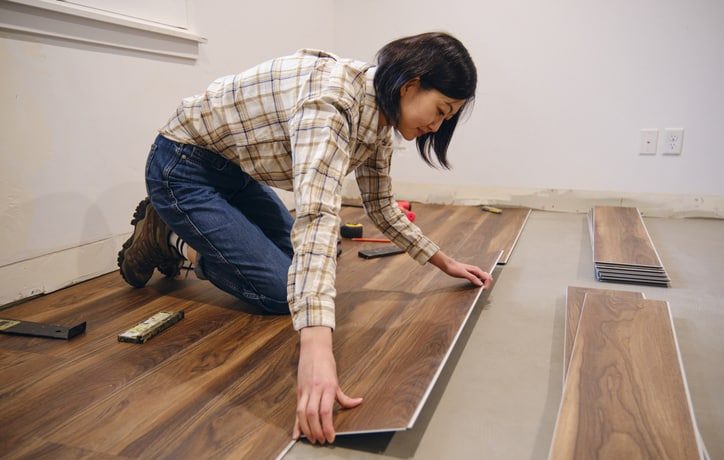
Proper installation is essential for achieving a good result. Even high-quality flooring can perform poorly if the underlying surface is uneven or the material is installed incorrectly.
Before installation, the subfloor should be inspected and prepared appropriately. Depending on the material, professional installation may be worthwhile because accurate measurements and careful fitting can prevent gaps, movement, moisture problems, and premature damage.
Consider Long-Term Needs
Think beyond your current preferences. Your household may change over time, and flooring should ideally remain practical as your needs evolve.
Choose materials that fit your lifestyle and are likely to remain useful for years. Neutral designs can also provide flexibility if you later change furniture, wall colors, or interior décor.
Conclusion
Choosing the right flooring requires a balance of appearance, comfort, durability, maintenance, and cost. By considering the purpose of each room, comparing materials, evaluating long-term needs, and planning installation carefully, you can make a confident decision.
Good flooring provides more than a finished surface. It creates a foundation for comfortable everyday living and can enhance the beauty and functionality of your home for many years.