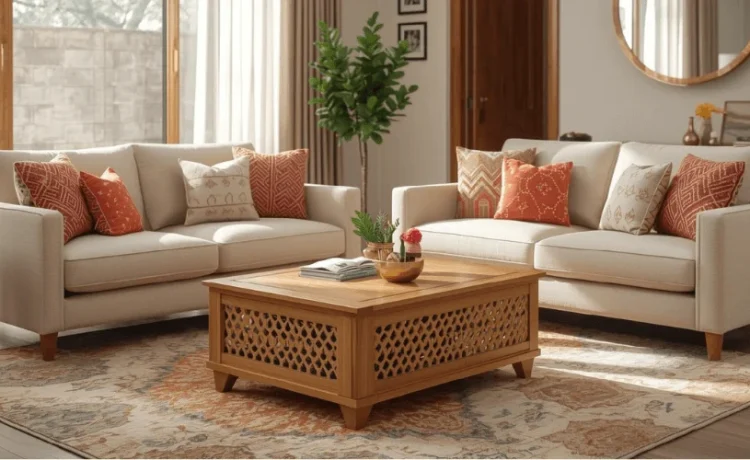
Furniture is an essential part of every home. It provides comfort, supports everyday activities, helps organize belongings, and contributes to the overall appearance of a room. From sofas and beds to dining tables, chairs, cabinets, and storage units, the right furniture can make a home more practical and welcoming.
Choosing furniture should involve more than selecting pieces that look attractive. Size, quality, comfort, functionality, materials, maintenance, and budget all play an important role in creating a well-designed living space.
Understanding Your Space
Before purchasing furniture, measure the room carefully. Knowing the available floor area helps prevent problems such as oversized sofas blocking walkways or tables making a dining area difficult to use.
Consider the location of doors, windows, electrical outlets, heating or cooling equipment, and other fixed features. Leave enough space between furniture pieces for comfortable movement.
A simple floor plan can help you visualize different arrangements before making a purchase. This is particularly useful when furnishing smaller rooms.
Choosing Furniture Based on Lifestyle
Furniture should support the way you actually live. A household with young children may need durable, easy-to-clean materials, while someone who works from home may prioritize an ergonomic desk and comfortable office chair.
Think about how often each piece will be used and what functions it needs to provide.
Important considerations may include:
- Number of people using the furniture
- Available storage requirements
- Frequency of use
- Cleaning and maintenance needs
- Space for guests
- Comfort preferences
- Flexibility and mobility
Selecting furniture based on lifestyle helps ensure that each purchase remains useful over time.
Prioritizing Comfort
Comfort is one of the most important qualities of good furniture. A sofa may look stylish, but if it is uncomfortable, it will not provide much value.
When possible, test furniture before purchasing it. Sit on chairs and sofas, check mattress support, and examine desk and chair heights.
For frequently used pieces, comfort should be considered alongside appearance. Furniture that supports good posture and provides appropriate cushioning can make everyday activities more enjoyable.
Selecting Quality Materials
The material used in furniture affects its appearance, durability, maintenance, and overall lifespan. Wood, metal, glass, fabric, leather, and engineered materials each have different characteristics.
When evaluating furniture, look beyond the surface. Check joints, hinges, handles, frames, drawers, and other structural components. A well-constructed piece should feel stable and function smoothly.
For upholstered furniture, consider the fabric’s durability and cleaning requirements. Homes with children or pets may benefit from materials that are resistant to stains and easy to maintain.
Creating a Balanced Interior
Furniture contributes significantly to the visual balance of a room. Too many large pieces can make a space feel crowded, while too little furniture can make it appear unfinished.
Choose pieces that complement one another without making everything look identical. Different textures, shapes, and materials can add interest while maintaining a cohesive design.
Color is another important factor. Neutral furniture can provide flexibility, while colorful chairs, sofas, or accent pieces can create focal points.
Smart Storage Solutions
Furniture can also help keep a home organized. Cabinets, shelves, storage beds, sideboards, ottomans, and modular units can provide useful places for everyday belongings.
In smaller homes, multifunctional furniture can be particularly valuable. A storage bench can provide seating and organization, while a sofa bed can serve different purposes depending on the time of day.
Using furniture for storage can reduce clutter and help rooms maintain a cleaner appearance.
Choosing Furniture for Small Spaces
Small rooms require careful planning. Instead of filling the space with multiple bulky pieces, choose furniture that serves more than one purpose.
Consider compact tables, narrow cabinets, nesting tables, wall-mounted storage, and furniture with built-in compartments. Pieces with simple designs and appropriate proportions can make a small room feel more open.
Leaving some visible floor space can also create the impression of greater room.
Considering Your Budget
Furniture prices vary widely depending on materials, craftsmanship, brand, size, and design. Creating a budget before shopping can help you prioritize important purchases.
Invest more in pieces that receive frequent use, such as mattresses, sofas, dining chairs, or office chairs. Decorative furniture can often be selected according to available funds.
It is also useful to consider long-term value rather than focusing only on the initial price. Durable furniture may cost more initially but can remain useful for many years.
Maintaining Your Furniture
Regular care can extend the life of furniture. Follow appropriate cleaning instructions for different materials and deal with spills or stains promptly.
Keep wooden surfaces protected from excessive moisture and direct sunlight when necessary. Check screws, hinges, and other fittings periodically and repair small problems before they become serious.
Proper maintenance helps preserve both the appearance and functionality of furniture.
Conclusion
The right furniture can transform a house into a comfortable, organized, and attractive home. By considering room size, lifestyle, comfort, materials, storage, design, budget, and maintenance, you can make choices that provide lasting value.
Furniture should not simply fill empty rooms. Each piece should have a purpose while contributing to the atmosphere of the space. With thoughtful planning, even simple furniture can create a home that feels practical, welcoming, and personal.