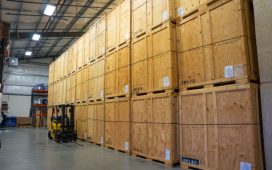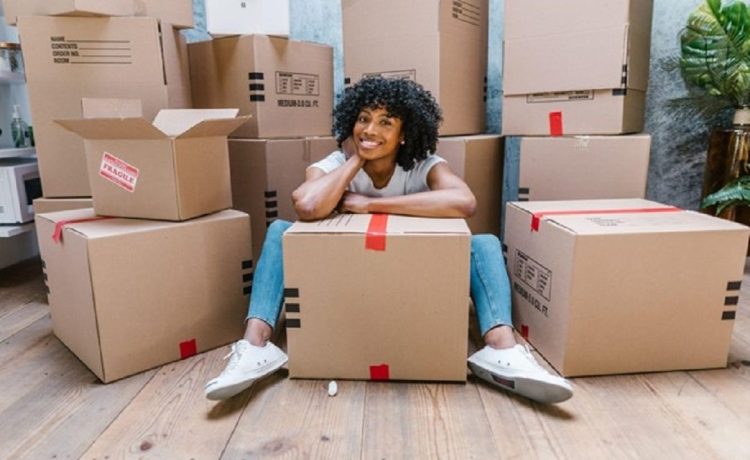
Moving home is a significant transition that often comes with a mixture of excitement and stress. A new property can offer better space, improved convenience, or a fresh environment, but getting there requires careful preparation. Packing, transportation, paperwork, cleaning, and unpacking can become difficult when everything is handled at the last moment.
With a practical plan and a little patience, the moving process can become much more manageable. Organizing tasks early allows you to focus on one responsibility at a time and avoid unnecessary complications.
Begin With a Detailed Checklist
Before packing a single box, make a list of everything that needs to be completed. A written plan provides a clear overview and makes it easier to track progress.
Divide your tasks into different stages, such as preparation, packing, moving day, and settling in. Include deadlines for important activities so you know what needs attention first.
A moving checklist can include:
- Confirming the moving date
- Arranging transportation
- Sorting household belongings
- Packing and labeling boxes
- Cleaning both properties
- Preparing utilities
- Updating your address
- Checking important documents
- Organizing moving-day essentials
Declutter Before You Pack
One of the biggest mistakes people make when moving home is packing everything without sorting it first. Moving provides an excellent opportunity to reduce belongings that are no longer useful.
Go through each room and make decisions based on how frequently an item is used and whether it has meaningful value. Avoid taking unnecessary objects simply because they have been stored for a long time.
You can separate belongings into four main groups: keep, donate, sell, and discard. Fewer possessions mean fewer boxes, less work, and potentially lower transportation costs.
Pack Strategically
Packing does not have to happen all at once. Begin several weeks before moving day if possible.
Start with items that are rarely used, including seasonal clothing, decorative pieces, spare bedding, books, and stored kitchen equipment. Leave everyday essentials until closer to the move.
Use appropriately sized boxes and avoid overloading them. Heavy objects should generally be packed in smaller boxes, while lightweight items can go into larger containers.
Clearly label each box with the room where it belongs. Adding a short description of its contents can make unpacking much faster.
Protect Fragile Belongings
Glassware, ceramics, electronics, mirrors, artwork, and other delicate objects need additional protection. Wrap fragile pieces individually and place protective material between items.
Do not leave empty spaces inside boxes containing delicate belongings because movement during transportation can cause damage. Mark fragile boxes clearly so they receive appropriate handling.
Important documents, valuable jewelry, sentimental items, and other irreplaceable possessions should remain with you whenever practical.
Prepare a First-Night Kit
After a long moving day, you probably will not want to search through dozens of boxes for basic necessities. Prepare a separate first-night bag or box containing everything you may need immediately.
Consider including:
- Toiletries
- Comfortable clothing
- Towels
- Phone chargers
- Basic kitchen items
- Snacks and water
- Cleaning products
- Important personal documents
- Essential medicines and personal supplies
Keep this kit separate from the main household boxes and make sure it is easy to access.
Plan Transportation Carefully
Transportation should be arranged according to the size and complexity of your move. Consider how many belongings you have, the distance between properties, parking conditions, stairs, elevators, and access restrictions.
If you are using professional movers, confirm the schedule and explain any particularly large, heavy, or fragile items in advance.
If you are handling the move yourself, make sure the vehicle is large enough and that belongings can be secured properly during transportation.
Prepare Your New Home
If you can access the new property before moving day, take advantage of the opportunity to prepare it.
Clean floors, cabinets, bathrooms, and other areas before furniture arrives. Check essential utilities and identify any repairs that should be completed early.
It can also help to plan where major furniture pieces will go. Knowing the intended layout before moving day can make unloading faster and prevent unnecessary rearrangement.
Manage the Moving Day
Moving day is easier when everyone knows what needs to happen. Keep keys, documents, phones, wallets, and essential supplies in one secure location.
As boxes are loaded, make sure fragile and valuable items are handled appropriately. Keep an inventory if you have a large number of boxes so you can quickly identify anything that may be missing.
Before leaving the old property, inspect every room carefully. Check cupboards, wardrobes, drawers, balconies, garages, storage areas, and outdoor spaces.
Update Important Information
Changing your address is another important part of moving home. Create a list of organizations and services that need your updated information.
These may include banks, employers, schools, insurance providers, utility companies, subscription services, and relevant government records.
Handling these updates promptly can help prevent missed correspondence and unnecessary administrative problems.
Unpack in Stages
Once you arrive, avoid trying to unpack the entire home immediately. Start with essential rooms such as the bedroom, bathroom, and kitchen.
After these areas are functional, move on to living spaces, storage areas, and less urgent rooms. Take your time deciding where belongings should go rather than placing everything randomly.
A gradual approach can make the new property feel organized without creating additional stress.
Conclusion
Moving home becomes much easier when the process is planned in advance. Decluttering, organized packing, careful transportation, property preparation, and gradual unpacking can reduce both physical and mental pressure.
Instead of viewing moving as one enormous task, divide it into smaller steps and complete them systematically. With the right preparation, moving home can be a smoother transition and the beginning of a comfortable new chapter.