Moving home is a major life event that can bring excitement, new opportunities, and a fresh beginning. At the same time, the process can feel stressful when there are many tasks to manage. From packing belongings and organizing paperwork to arranging transportation and settling into a new property, careful planning can make the experience much easier.
A successful move does not happen by chance. Starting early, staying organized, and handling tasks in manageable stages can help reduce last-minute problems and make the transition more comfortable.
Start Planning Early
One of the most useful moving home tips is to begin preparations well in advance. Waiting until the final few days can lead to rushed decisions, misplaced belongings, and unnecessary stress.
Create a basic moving schedule that includes important deadlines. Decide when to sort belongings, begin packing, arrange transportation, clean the property, and complete final checks.
Make a list of tasks and divide them across several days or weeks. Completing a little at a time is usually easier than trying to handle everything at once.
Declutter Before Packing
Moving is an excellent opportunity to review everything you own. Packing items that you no longer use only creates additional work and takes up valuable space in the new home.
Sort belongings into simple categories:
- Keep
- Donate
- Sell
- Recycle
- Dispose
Be realistic when deciding what to take. If an item has not been used for years and has little practical or sentimental value, moving may be a good opportunity to let it go.
Reducing the number of belongings can make packing, transportation, unpacking, and organizing the new home significantly easier.
Create an Organized Packing System
Packing becomes much easier when there is a clear system. Start with items that are rarely used, such as seasonal decorations, books, spare linens, and certain storage items.
Pack essential everyday belongings closer to the moving date. Use sturdy boxes and avoid making them too heavy, especially when packing books, kitchenware, or other dense objects.
Label every box clearly. Include both the room it belongs to and a brief description of its contents. This will make unpacking much faster.
Prepare an Essentials Box
One of the most useful steps when moving home is preparing a box or bag containing items you will need immediately after arrival.
This may include:
- Basic toiletries
- A change of clothes
- Important documents
- Phone chargers
- Basic kitchen items
- Medications and personal necessities
- Cleaning supplies
- Snacks and drinking water
Keep this essentials bag separate from the main boxes so it remains easily accessible during the move.
Protect Valuable and Fragile Items
Fragile belongings require additional care. Wrap delicate items individually and use suitable protective materials to reduce the risk of damage.
Do not overload boxes containing glassware, electronics, or ceramics. Place heavier objects at the bottom and lighter items above them.
Keep important documents, valuable jewelry, and other irreplaceable belongings with you whenever possible rather than placing them in the moving truck.
Arrange Transportation
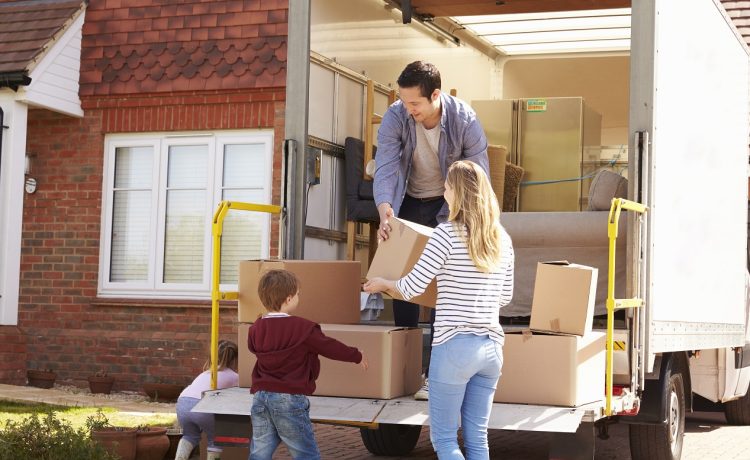
Decide early how your belongings will be transported. Depending on the size of the move, you may use a professional moving service, rental vehicle, or assistance from friends and family.
When arranging transportation, consider the number of belongings, distance, access to both properties, parking conditions, and the amount of help available.
Confirm important details before moving day, including arrival time, transportation requirements, and any special handling needs.
Prepare Your New Home
If possible, inspect and prepare the new home before moving your belongings inside. Cleaning empty rooms is usually easier than cleaning after furniture and boxes have arrived.
Check essential systems and make sure basic utilities are ready. Consider identifying where important switches, water controls, and other household systems are located.
Having the new home prepared can make the first day much more comfortable.
Update Important Information
A change of address often involves more than physically moving belongings. Remember to update relevant personal and household information where necessary.
Consider notifying:
- Banks and financial institutions
- Employers
- Schools and educational institutions
- Insurance providers
- Service providers
- Government or official records
- Friends and family
Keeping an organized record of address changes can help prevent missed correspondence and unnecessary complications.
Make Moving Day Manageable
Moving day can be busy, so keep the plan simple. Start early, keep essential items accessible, and maintain communication with everyone involved.
Do a final inspection of the old property before leaving. Check cupboards, drawers, storage spaces, balconies, bathrooms, and other areas where belongings can easily be forgotten.
At the new home, prioritize basic functionality rather than trying to unpack everything immediately. Set up essential sleeping, cooking, and bathroom areas first.
Settle In Gradually
Unpacking an entire home in one day can be overwhelming. Instead, work room by room and focus on the areas you use most.
Start with bedrooms, bathrooms, and the kitchen before organizing less urgent spaces. Break larger tasks into smaller steps and take time to arrange furniture and belongings in ways that suit your new lifestyle.
Conclusion
Moving home can be challenging, but careful preparation can make the process much smoother. Starting early, decluttering, packing systematically, protecting valuable belongings, and preparing the new property can reduce stress and save time.
The goal is not simply to transport possessions from one address to another. A well-planned move provides an opportunity to create a more organized and comfortable living environment. With patience and a practical approach, moving home can become a positive step toward a fresh start.