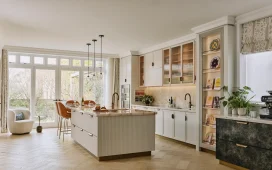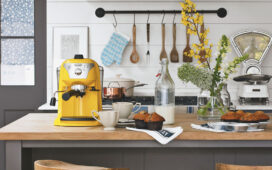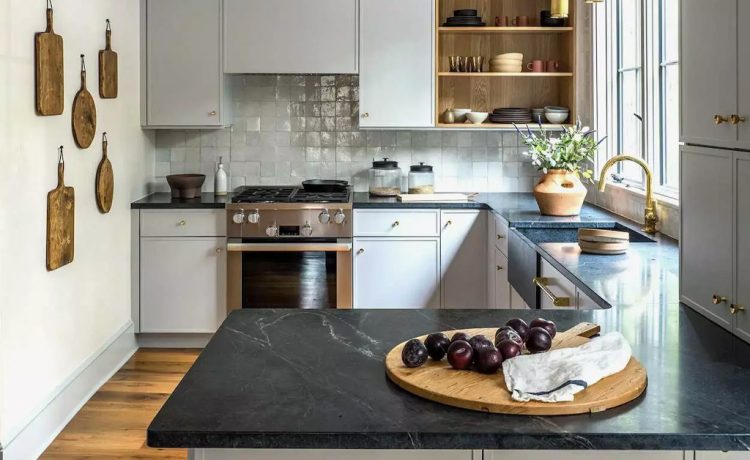
The kitchen is more than just a room for preparing meals. It serves as the nucleus of family life, a space for creativity, nutrition, and social interaction. A well-designed kitchen balances aesthetics, functionality, and efficiency, catering to the needs of contemporary lifestyles. From high-end appliances to ergonomic layouts, every element contributes to the overall culinary experience and daily convenience.
In modern homes, the kitchen has evolved to encompass dining, entertaining, and smart technology integration, making it a focal point in both design and functionality. Understanding the complexities of kitchen design, appliances, materials, and layout is essential for homeowners and interior designers alike.
The Evolution of Kitchen Design
The history of kitchens reflects changes in technology, culture, and lifestyle. Kitchens have transitioned from purely functional spaces to multifunctional hubs that prioritize health, efficiency, and aesthetics.
Early Kitchens: Functional Beginnings
- Medieval Kitchens: These were primarily large, open spaces with fireplaces for cooking, often separate from living quarters. Efficiency and safety were key concerns due to open flames.
- 17th and 18th Century: Kitchens began to include more organized storage for ingredients and cooking utensils. The focus was still on functionality rather than design.
- Victorian Era: Kitchens became slightly more refined with cabinetry, counters, and the use of early stoves. The concept of hygiene and systematic arrangement started influencing design.
20th Century Innovations
- Industrial Influence: The early 1900s introduced metal countertops, tiled surfaces, and gas or electric stoves, revolutionizing efficiency and cleanliness.
- Frank Lloyd Wright and Bauhaus: Architects emphasized space optimization, open layouts, and minimalist design principles, which influenced mid-century kitchen trends.
- Post-War America: The rise of consumer culture saw kitchens equipped with appliances like refrigerators, dishwashers, and electric mixers, transforming meal preparation.
Contemporary Kitchens
Modern kitchens focus on combining style, technology, and ergonomics:
- Open-Plan Layouts: Seamlessly integrating kitchens with dining and living spaces.
- Smart Technology: Appliances connected to Wi-Fi for convenience, energy efficiency, and remote control.
- Sustainable Design: Eco-friendly materials, energy-efficient appliances, and waste management solutions.
Kitchen Layouts and Functional Zones
A thoughtfully planned kitchen layout optimizes workflow, reduces fatigue, and enhances cooking efficiency. The concept of functional zones is central to modern kitchen design.
Common Kitchen Layouts
- Galley Kitchens: Efficient for small spaces with parallel counters and optimized workflow.
- L-Shaped Kitchens: Versatile layouts offering open space for dining areas and flexibility in appliance placement.
- U-Shaped Kitchens: Maximizes storage and work surface area, ideal for larger kitchens.
- Island Kitchens: Incorporate multifunctional islands for prep work, seating, or storage, serving as a central hub.
- Peninsula Layouts: A variation of the island design that integrates seamlessly into the counter, optimizing space in medium-sized kitchens.
Functional Zones
- Cooking Zone: Stoves, ovens, and microwave placement should allow easy access to prep surfaces and utensils.
- Preparation Zone: Ample counter space near sinks and storage for chopping, mixing, and assembling ingredients.
- Storage Zone: Cabinets, pantries, and drawers designed for ingredients, cookware, and tableware.
- Cleaning Zone: Sinks, dishwashers, and waste disposal areas positioned for efficient workflow.
- Refrigeration Zone: Fridge and freezer access integrated with prep areas to minimize unnecessary movement.
Materials and Surfaces
Material choice impacts durability, maintenance, aesthetics, and health considerations. Selecting the right materials ensures longevity and safety.
Countertops
- Granite: Heat-resistant, durable, and visually striking, making it ideal for high-traffic kitchens.
- Quartz: Engineered for consistency, stain resistance, and low maintenance.
- Marble: Luxurious and heat-resistant but requires sealing to prevent staining.
- Butcher Block: Wooden surfaces offering warmth and repairable surfaces, ideal for prep areas.
- Solid Surfaces (Corian): Seamless, non-porous, and highly customizable for design flexibility.
Flooring
- Hardwood: Offers warmth and aesthetic appeal; requires regular maintenance in kitchens.
- Tile: Durable, water-resistant, and available in a variety of styles and finishes.
- Vinyl and Laminate: Cost-effective, easy to clean, and resilient against daily wear.
- Concrete: Industrial, customizable, and highly durable with proper sealing.
Cabinetry and Storage
- Solid Wood: Traditional choice offering strength, longevity, and timeless appeal.
- Plywood and MDF: Cost-effective alternatives with a smooth finish for painting or laminates.
- Metal Cabinets: Industrial and contemporary appeal, often used in professional kitchens.
- Glass Front Cabinets: Enhance visual appeal while displaying dishware and decorative items.
Kitchen Appliances: Technology and Efficiency
Appliances are integral to modern kitchen functionality, improving efficiency, safety, and convenience.
Essential Appliances
- Refrigerators and Freezers: Vital for food preservation, available in side-by-side, French door, or compact formats.
- Ovens and Stoves: Options include gas, electric, induction, or dual-fuel systems catering to various cooking styles.
- Dishwashers: Streamline cleaning while conserving water and energy with eco-friendly cycles.
- Microwaves: Quick heating and meal preparation, often integrated for space efficiency.
Innovative Technology
- Smart Appliances: Wi-Fi-enabled ovens, refrigerators with touchscreens, and smart dishwashers offering energy monitoring.
- Integrated Cooktops: Induction and electric systems that maximize space and precision.
- Air Purifiers and Ventilation Systems: Improve indoor air quality, essential for open-plan kitchens.
Ergonomics and Safety in Kitchens
Proper kitchen design prioritizes ergonomics and safety to prevent injury and strain.
Ergonomic Considerations
- Counter Height: Standard height around 36 inches; adjustable islands for sitting and standing tasks.
- Reach and Access: Frequently used items within arm’s reach; lower cabinets for storage of heavy items.
- Lighting: Layered lighting with ambient, task, and accent sources to prevent eye strain and improve precision.
Safety Features
- Slip-Resistant Flooring: Reduces risk of falls in wet areas.
- Rounded Counter Edges: Prevents injuries from sharp corners.
- Childproofing: Cabinets with locks, stove guards, and appliance safety features for households with children.
- Fire Safety: Accessible extinguishers and smoke detectors, along with proper ventilation for gas appliances.
Kitchen Organization and Storage Solutions
Organization maximizes space efficiency, reduces clutter, and enhances cooking efficiency.
Storage Solutions
- Pull-Out Drawers: Easier access to pots, pans, and pantry items.
- Lazy Susans and Corner Units: Optimize corner cabinets for better utilization.
- Drawer Dividers and Inserts: Maintain utensil organization and prevent clutter.
- Overhead Racks and Hooks: Store frequently used items like pans, ladles, or mugs for easy reach.
- Pantry Systems: Adjustable shelves, clear containers, and labeling systems to maintain inventory and reduce waste.
Decluttering Techniques
- Zone-Based Organization: Group items by function, e.g., baking, cooking, and prep zones.
- Vertical Storage: Utilize wall space for shelves, hooks, or magnetic strips.
- Seasonal Rotation: Store rarely used appliances in higher cabinets or alternative storage areas.
Sustainability in Modern Kitchens
Environmental concerns influence material choice, energy use, and waste management in contemporary kitchen design.
Sustainable Materials
- Bamboo and Reclaimed Wood: Renewable and eco-friendly alternatives for cabinetry and cutting boards.
- Low-VOC Finishes: Reduce indoor air pollution and exposure to toxic chemicals.
- Recycled Metal and Glass: Used in countertops, backsplashes, and appliances.
Energy-Efficient Appliances
- Energy Star Rated: Appliances consume less energy while maintaining performance.
- Induction Cooktops: More efficient than traditional electric or gas stoves.
- LED Lighting: Longer lifespan and lower energy consumption compared to traditional bulbs.
Waste Management
- Composting Systems: Reduce food waste by converting scraps into fertilizer.
- Recycling Stations: Clearly designated bins for paper, glass, and plastic.
- Greywater Systems: Capture water from sinks for secondary uses such as irrigation.
Kitchen Trends for the Future
Emerging trends shape how kitchens are designed, built, and experienced.
Smart Kitchens
- Appliances with AI-assisted cooking guidance and remote monitoring.
- Voice-activated assistants to control lighting, temperature, and timers.
- Sensors for inventory tracking and automatic grocery replenishment.
Multi-Functional Kitchens
- Islands with integrated prep stations, seating, and storage.
- Convertible spaces for dining, work-from-home setups, or entertaining.
- Modular cabinetry and furniture that adapt to changing household needs.
Biophilic and Wellness Design
- Incorporation of plants for air quality and aesthetics.
- Natural lighting to boost mood and productivity.
- Sustainable materials supporting eco-conscious lifestyles.
FAQs About Kitchens
1. How do I choose the best kitchen layout for my home?
Consider space, workflow, and functionality. L-shaped or U-shaped layouts work well for larger kitchens, while galley designs optimize smaller spaces. Incorporate zones for cooking, prep, storage, and
cleaning.
2. What materials are best for kitchen countertops?
Granite, quartz, and solid surfaces offer durability, low maintenance, and heat resistance. Butcher block adds warmth and is excellent for prep areas, while marble provides elegance but requires careful sealing.
3. How can I make my kitchen more eco-friendly?
Use energy-efficient appliances, LED lighting, sustainable materials, and waste management systems like composting and recycling stations. Consider water-saving fixtures and renewable surface materials.
4. What safety measures are essential in a kitchen?
Non-slip flooring, rounded counter edges, childproof cabinets, fire extinguishers, and proper ventilation are key safety measures. Adequate lighting and ergonomic layout reduce strain and prevent accidents.
5. How do I maximize storage in a small kitchen?
Use pull-out drawers, overhead racks, lazy Susans, vertical storage, and drawer dividers. Organize items by zones and rotate seasonal appliances to free up space.
6. Are smart kitchens worth the investment?
Smart kitchens improve efficiency, convenience, and energy use. Features like AI-assisted cooking, inventory tracking, and remote appliance control can save time and reduce waste, enhancing the overall kitchen experience.
7. What are the current kitchen design trends?
Open layouts, multi-functional islands, sustainable materials, smart appliances, and biophilic elements like plants and natural lighting are shaping modern kitchen design.